Number Games for Everyday Learning
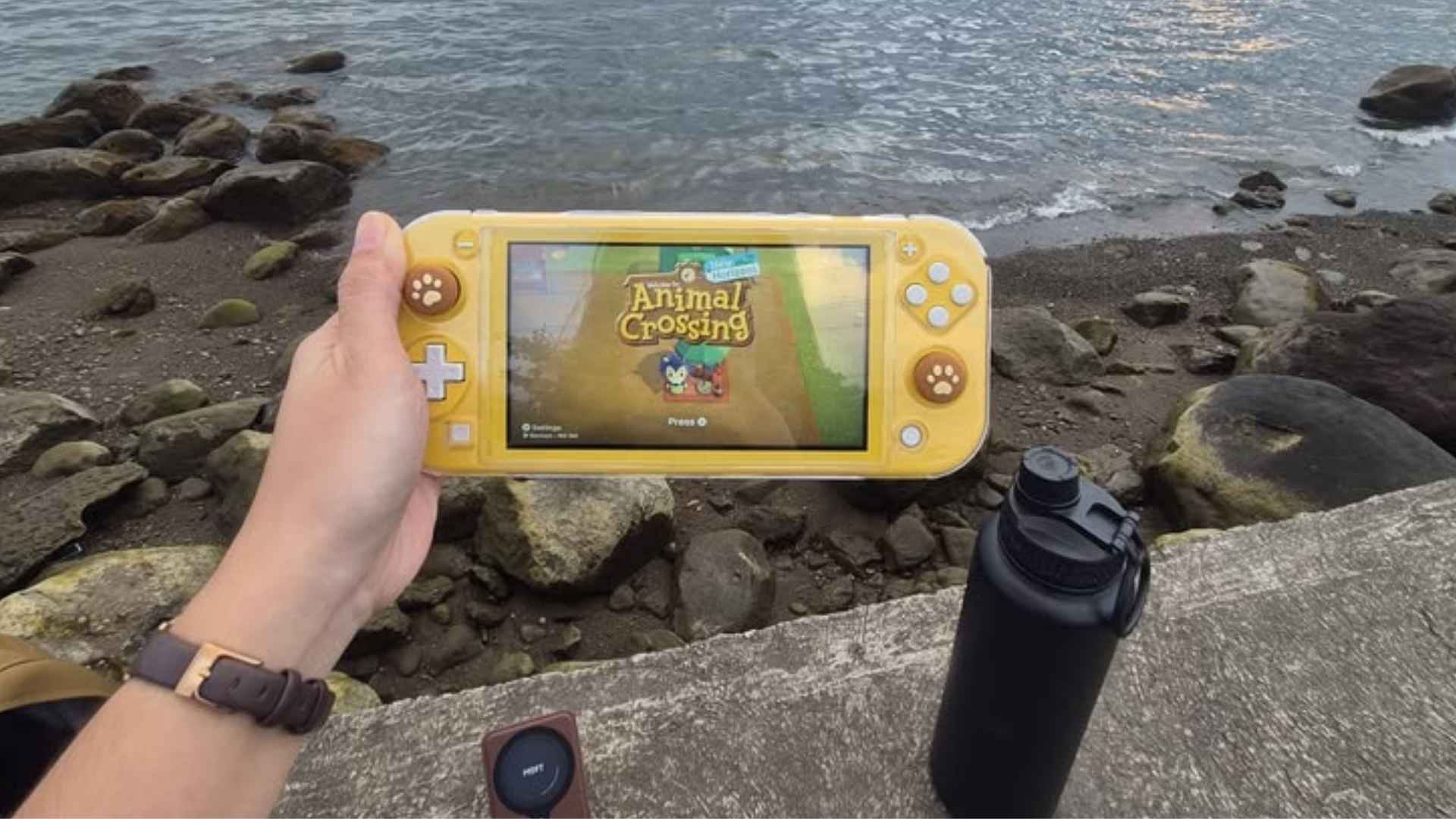
Integrating educational puzzles into a daily routine offers a powerful way to enhance cognitive performance and build logical reasoning skills without formal instruction. Number games have transitioned from simple classroom tools into sophisticated digital and analog activities suitable for all age groups. Engaging with these structural challenges consistently helps train the brain to recognize patterns and make quicker, data-driven decisions during everyday tasks.
Building Daily Cognitive Resilience
Our minds require continuous stimulation to maintain high operational speeds and minimize age-related cognitive decline over the long term. Incorporating brief numerical exercises into your morning or evening habits serves as a practical workout for working memory. Over time, players often notice a significant improvement in their concentration levels and general analytical capacity.
Finding the right platform or format to enjoy these logical puzzles is crucial for staying motivated and maintaining a daily habit streak. For individuals who prefer structured digital options, exploring secure interfaces like the M88 Sport login can provide a gateway to various engaging challenges. Discovering a preferred puzzle style ensures that mental training remains an enjoyable part of your regular lifestyle.
Practical Mathematical Application
Many people experience anxiety when faced with mathematical concepts, often due to rigid teaching methods encountered during early education. Number games eliminate this psychological barrier by presenting computational problems in a low-stakes, interactive format. This relaxed environment allows individuals to develop a stronger intuitive grasp of probability, estimation, and core arithmetic rules.
As players advance through tougher puzzle tiers, they learn to apply strategic planning and systematic elimination rather than relying on pure guesswork. These problem-solving habits translate directly to real-world scenarios, such as managing personal budgets or analyzing data at work. Transforming math from an academic requirement into a daily game fosters a genuinely positive learning mindset.
The Long Term Rewards of Logical Play
Scientific research indicates that gamified learning elements significantly boost user engagement and help information retainment over extended periods. Completing a challenging numerical puzzle triggers a natural sense of accomplishment, which effectively lowers daily stress and promotes mental well-being. By dedicating just a few minutes each day to focused logical challenges, anyone can achieve balanced mental sharpening.
Ultimately, everyday learning is not about memorizing complex formulas but about cultivating a flexible and highly responsive intellect. The journey from basic sequence tracking to advanced problem-solving is both accessible and deeply rewarding for modern participants. Embracing numerical play opens up a lifetime of cognitive growth and practical mental agility.